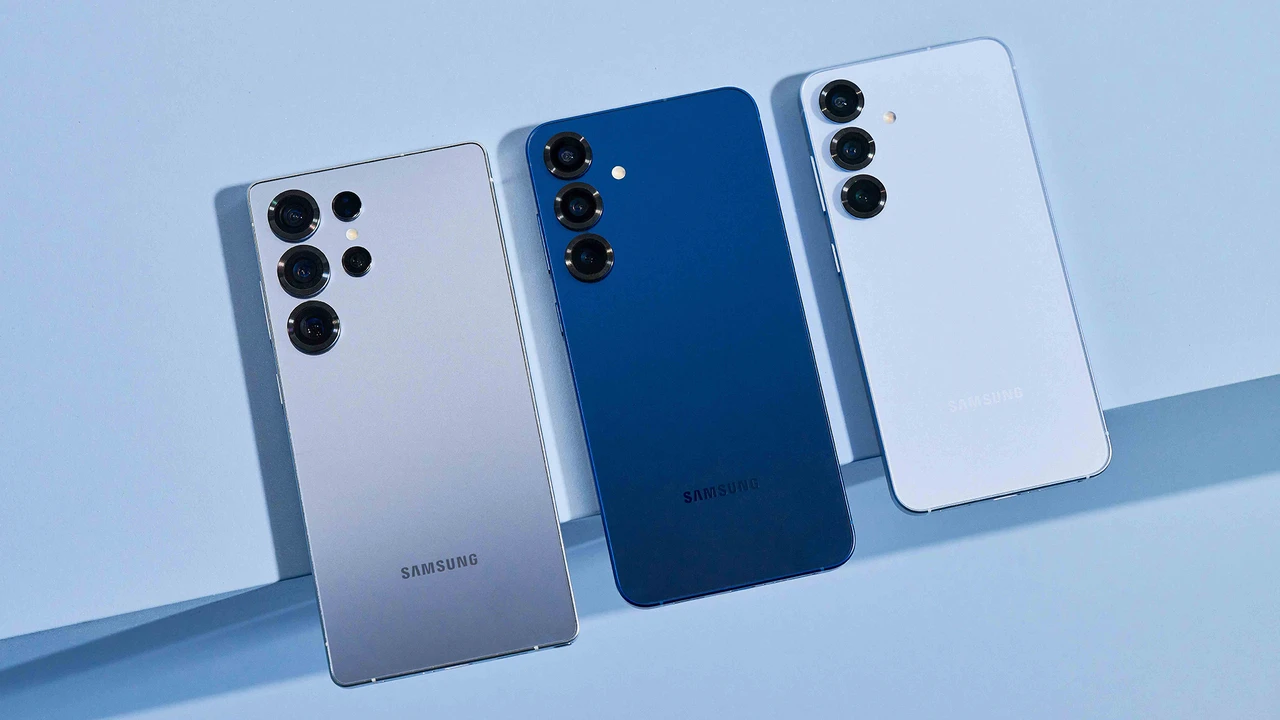
Samsung’s next wave of flagship phones is getting closer to its announcement, and an unexpected detail from the company itself has revealed what might become the signature upgrade of the Galaxy S26 Ultra. A new fast charger briefly surfaced on Samsung’s website, and although it looked like a routine accessory, the listing signals a major shift in how quickly the top-end model may finally recharge. With additional leaks about the battery and launch timeline also appearing, the Ultra variant is shaping up to be the model that changes the most within the S26 lineup.
A New Charger Quietly Hints at Faster Speeds
Talk of Samsung boosting wired charging on the Ultra has been circulating for a while, but the strongest indication yet came from a newly spotted adapter carrying the model number EP-T6010. Unlike Samsung’s older 45W unit, this one supports 60W output over USB-C and uses the USB PD 3.1 PPS standard. That alone suggests Samsung is preparing the S26 Ultra for faster charging than any previous Ultra model.
One of the frustrations with the S25 Ultra was that the phone only reached its top speeds when paired with a specific 5A cable and compatible charger. The new brick removes that complication entirely; its full 60W rating is available at 3A across a wide voltage range, meaning users won’t have to worry about whether their cable can actually deliver peak performance.
Firmware references from early One UI 8.5 builds suggest Samsung is preparing to brand this capability as Super Fast Charging 3.0, with internal labels referring to it as a “level 4” charging mode. Test leaks imply that the Ultra won’t draw the same wattage throughout the charging cycle. The phone may begin around 55W on a near-empty battery, settle closer to 45W in the mid-range, and slow down again past 70% to control heat and extend battery health.
Wireless charging also seems due for an update. Reports indicate an increase to 25W, and the phone is expected to integrate magnets for Qi 2.2 compatibility.
Battery Capacity May Get a Small But Notable Bump
Samsung has used a 5,000mAh battery in its Ultra lineup for several years, leading many to assume that the S26 Ultra would follow the same pattern. A newer leak from China, however, suggests a shift to a 5,200mAh battery. The increase isn’t dramatic, but combined with higher wired and wireless speeds, the overall experience should feel more flexible for daily use.
Camera Hardware Likely Stays Familiar
Despite the power upgrades, the camera system might not see major changes this year. A report from South Korea indicates that Samsung plans to reuse the Galaxy S25 Ultra camera configuration. Rising supply costs appear to have pushed the company away from introducing new sensors for the S26 generation, with Samsung reportedly prioritising stable pricing instead. This strategy is similar to how Apple treated the regular iPhone 17, delivering upgrades in selected areas while keeping the starting price unchanged.
Also Read: OnePlus Pad Go 2: A Lightweight Tablet With All-Day Battery and 5G
Expected Pricing and Launch Schedule
To understand where the S26 lineup may land, it helps to look at the previous generation. The Galaxy S25 range in India started at ₹80,999 for the base model, ₹99,999 for the Plus, and ₹1,29,999 for the Ultra. Samsung is expected to continue offering three models again: the S26, S26 Plus, and S26 Ultra.
Production of the Ultra is reportedly scheduled to begin earlier than the other two phones. Even so, internal delays may shift the global unveiling slightly later than usual, with several reports pointing toward a February 2026 launch instead of Samsung’s typical January timeframe.
Final Thoughts
From what has emerged so far, the Galaxy S26 Ultra seems poised to receive the most meaningful upgrades within the new lineup—particularly in charging speeds and power management. While the camera system may not see major revisions, the shift to a faster, simpler, and cable-friendly charging experience could make everyday use far more convenient. With the launch window approaching, attention will likely remain focused on how Samsung balances performance upgrades with pricing for the new generation.