Smartphone makers rarely attempt compact premium devices anymore, but Vivo is preparing one that aims to remind the market why smaller phones still matter. Expected to debut in China in December 2025, the Vivo S50 Pro Mini—sold internationally as the Vivo X300 FE—is positioned as a direct alternative to Apple’s upcoming iPhone Air. Vivo’s goal is clear: deliver the power of a flagship while maintaining a size that feels easy to handle.
Design Built for a Smaller Premium Phone
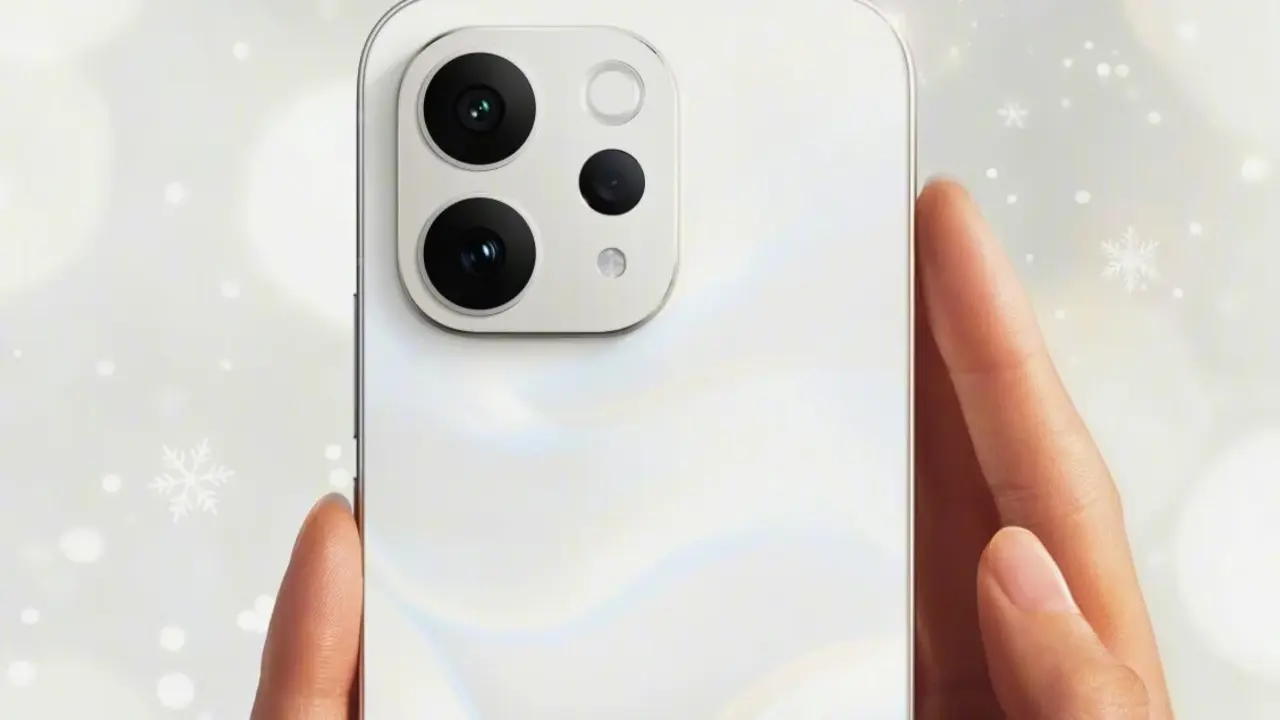
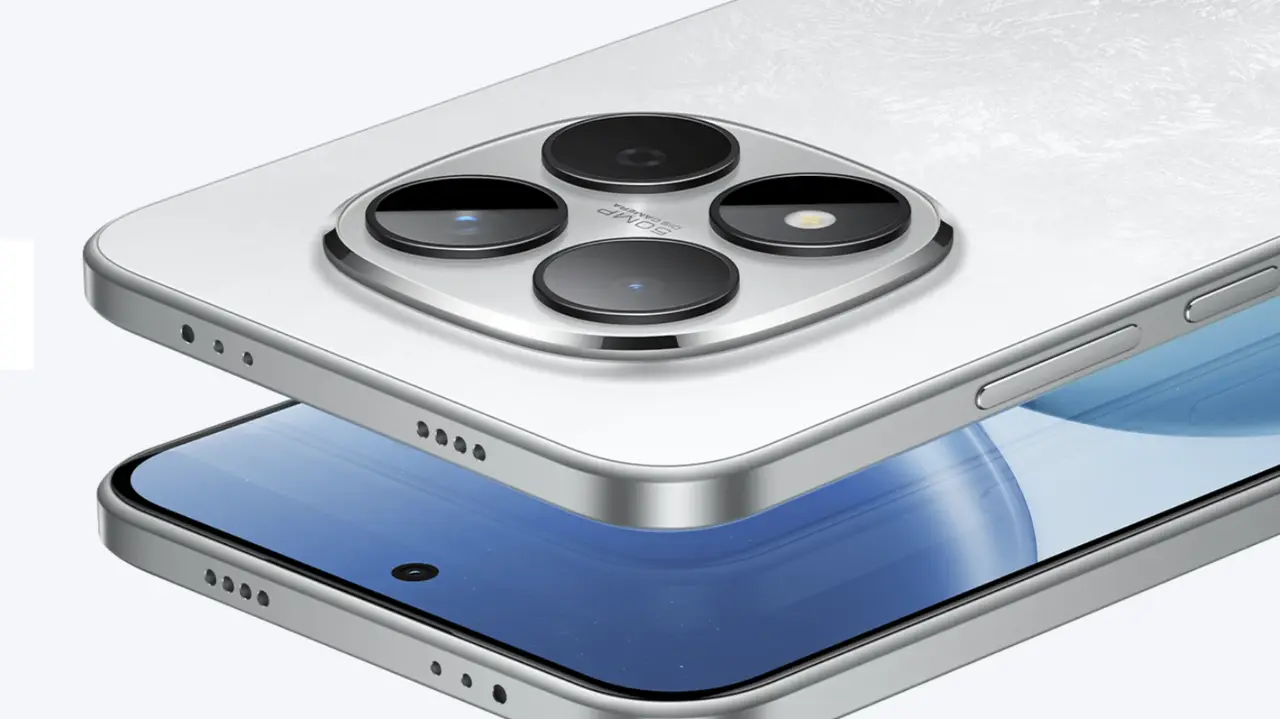
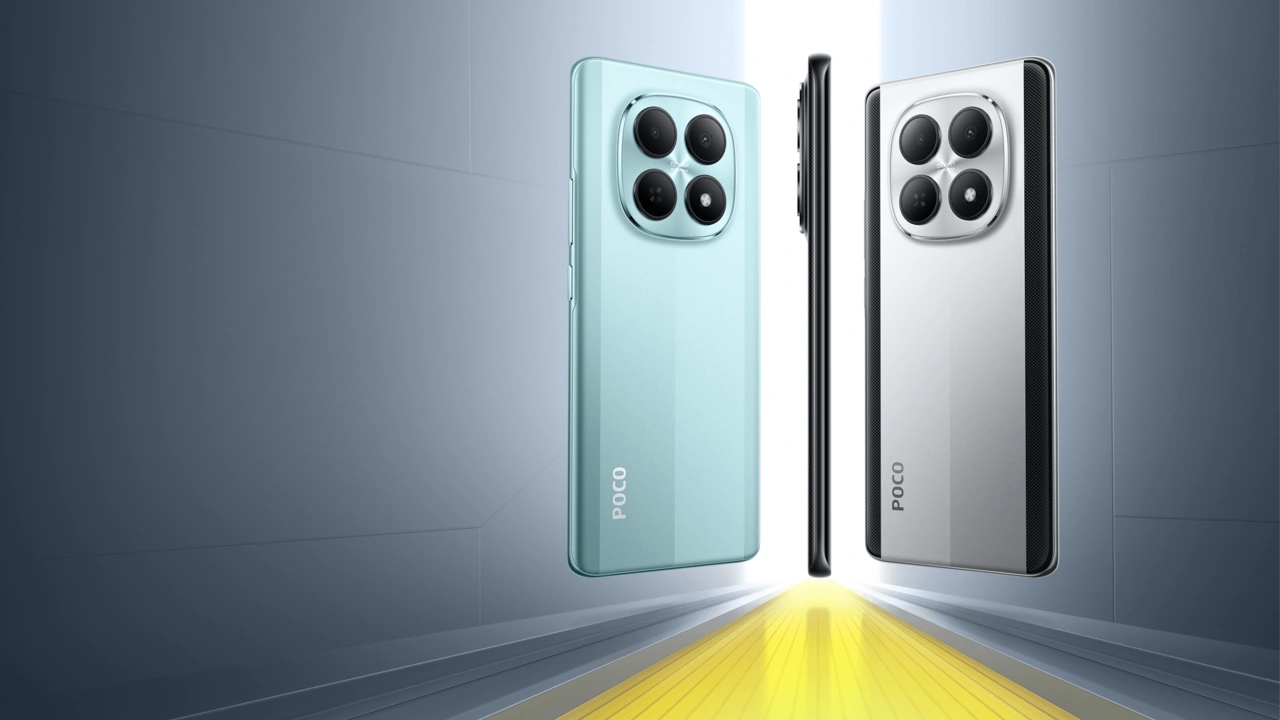
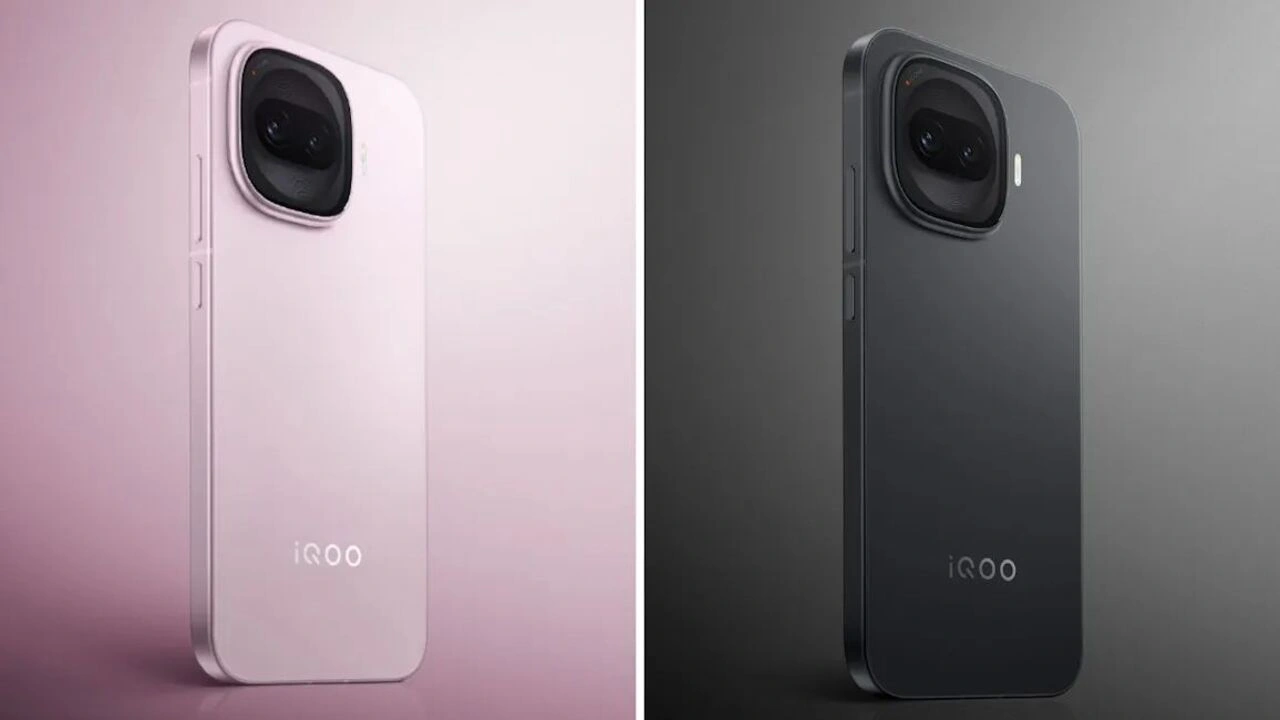
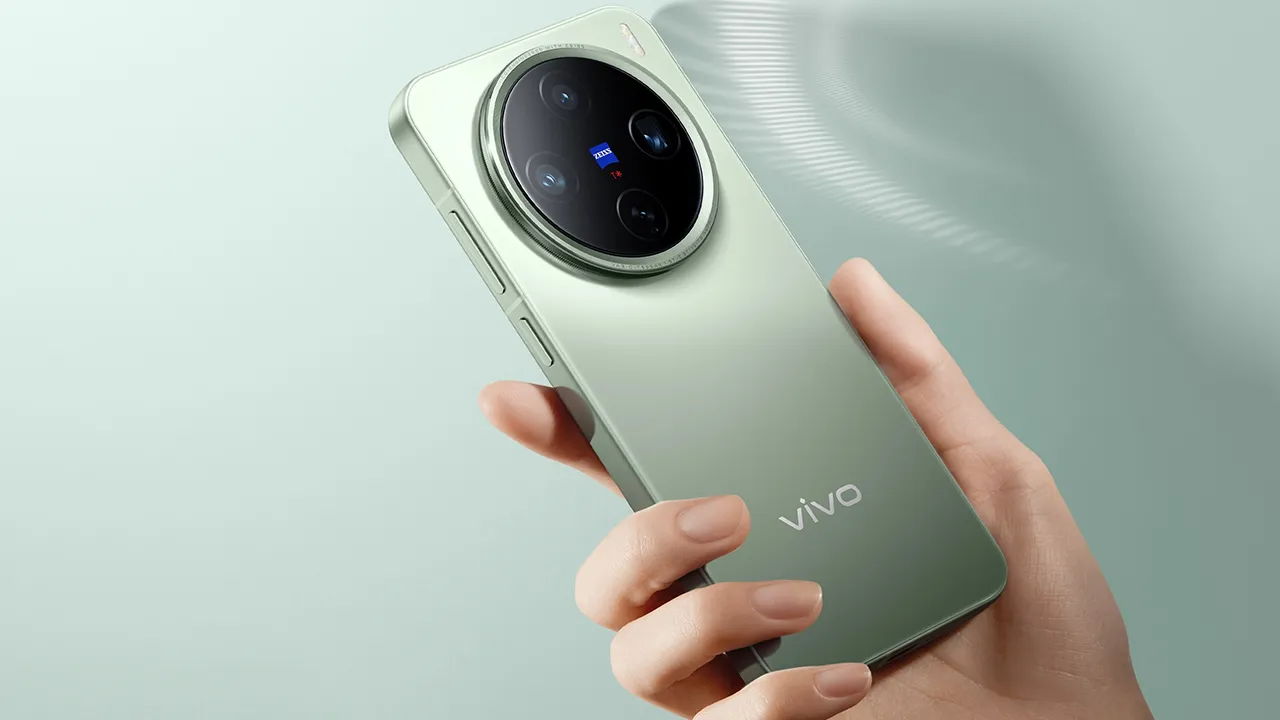
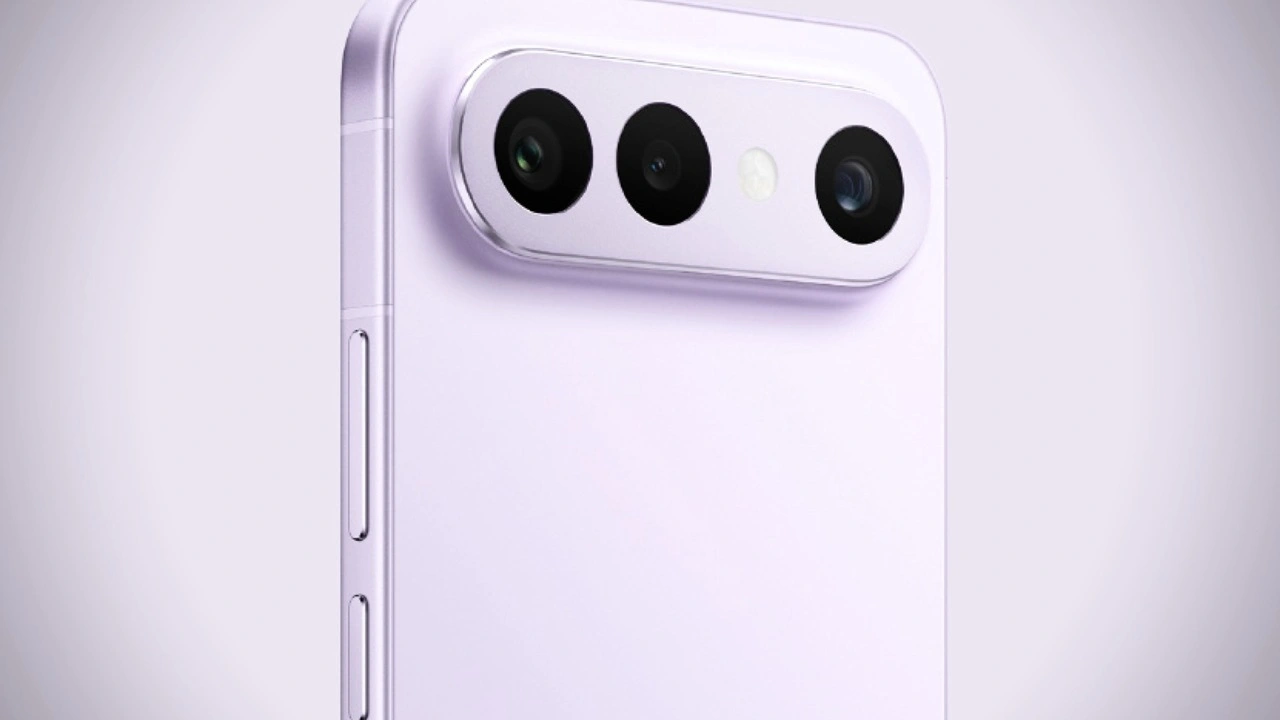
Vivo has chosen a design language that balances familiarity with distinction. The back of the phone carries a horizontal camera module, a layout that may remind some users of Apple’s recent compact designs. The similarity, however, ends with the placement. Instead of a simple single-camera approach like the iPhone Air is expected to offer, Vivo equips the S50 Pro Mini with three rear cameras and an LED flash, signalling that this compact model is not meant to be a stripped-down flagship.
Materials also play a major role in how Vivo shapes the identity of this device. The frame uses aerospace-grade metal, and the rear panel is finished using lithography techniques, giving it a matte texture intended to improve grip and keep the phone steady when placed on smooth surfaces. On the front, you’ll find a 6.31-inch OLED display with 1.5K resolution and a 120Hz refresh rate—a size that feels modest by today’s standards yet roomy enough for content consumption.
Performance: Flagship Ambition in a Smaller Body
Powering the S50 Pro Mini is Qualcomm’s Snapdragon 8 Gen 5, the same chipset designed for next-generation Android flagships. Vivo pairs this with LPDDR5X RAM and UFS 4.1 storage, ensuring quick load times, strong multitasking performance, and fast read/write speeds. The hardware combination is made for users who want a compact phone that doesn’t compromise during intensive tasks such as gaming, video editing, or running demanding apps.
One of the more surprising elements of the phone is its 6,500 mAh battery. It is noticeably larger than what many compact devices carry, and Vivo supports it with 90W fast wired charging and 40W wireless charging. The inclusion of such a large battery in a smaller frame suggests Vivo is aiming at longevity without forcing users to recharge mid-day.
Hardware Capabilities and Everyday Durability
Vivo complements the main hardware with features that enhance daily use. You get dual stereo speakers for fuller audio output and a linear X-axis motor designed to add sharper, more realistic vibration feedback. Security is handled by an ultrasonic fingerprint sensor built beneath the display.
For durability, the phone comes with IP68 and IP69 certifications, offering protection against both dust and water—even in high-pressure scenarios. These ratings are normally seen on rugged or ultra-premium models, indicating Vivo’s determination to package durability into this compact flagship.
Camera System: Versatility Without the Bulk
Photography plays a central role in Vivo’s vision for this phone. The rear camera setup includes:
- a large primary sensor,
- an ultra-wide lens,
- and a 50MP periscope telephoto camera based on Sony’s IMX882 sensor.
This mix makes the S50 Pro Mini capable of capturing detailed zoom shots, wide landscapes, and low-light scenes without dragging around a bulky camera hump. On the front, a 50MP selfie camera supports high-quality video calls and detailed portrait shots.
Where It Stands Against the iPhone Air
The iPhone Air is expected to land in a similar category—compact, premium, and focused on a refined user experience. If Apple brings a powerful chipset, polished software, long battery life, and strong camera performance, it will naturally become the S50 Pro Mini’s closest competitor.
That said, Vivo’s offering has a clear advantage in raw hardware. A larger battery, faster charging, periscope zoom, and a flexible multi-camera setup give it tools Apple may not match in a compact form factor. However, the decision for many buyers won’t hinge only on specifications. Apple’s software ecosystem, app support, and long-term updates remain major factors that Android hardware cannot replicate in the same way.
The real competition, then, is not only between two phones but between two very different ecosystems.
Also Read: Realme Watch 5 Debuts in India: Price, Features, AMOLED Screen and GPS
Final Thoughts
The Vivo S50 Pro Mini is shaping up to be a strong contender for users who prefer a smaller device without giving up flagship-level tech. With its robust battery, high-performance chipset, versatile cameras, premium build, and durable design, it offers a well-rounded package tailored for late-2025 buyers.
If Apple’s iPhone Air arrives with an equally polished feature set, the compact flagship category may finally see the competition it has lacked for years. Until then, Vivo’s approach delivers a rare combination: flagship power packed into a size that still fits comfortably in one hand.