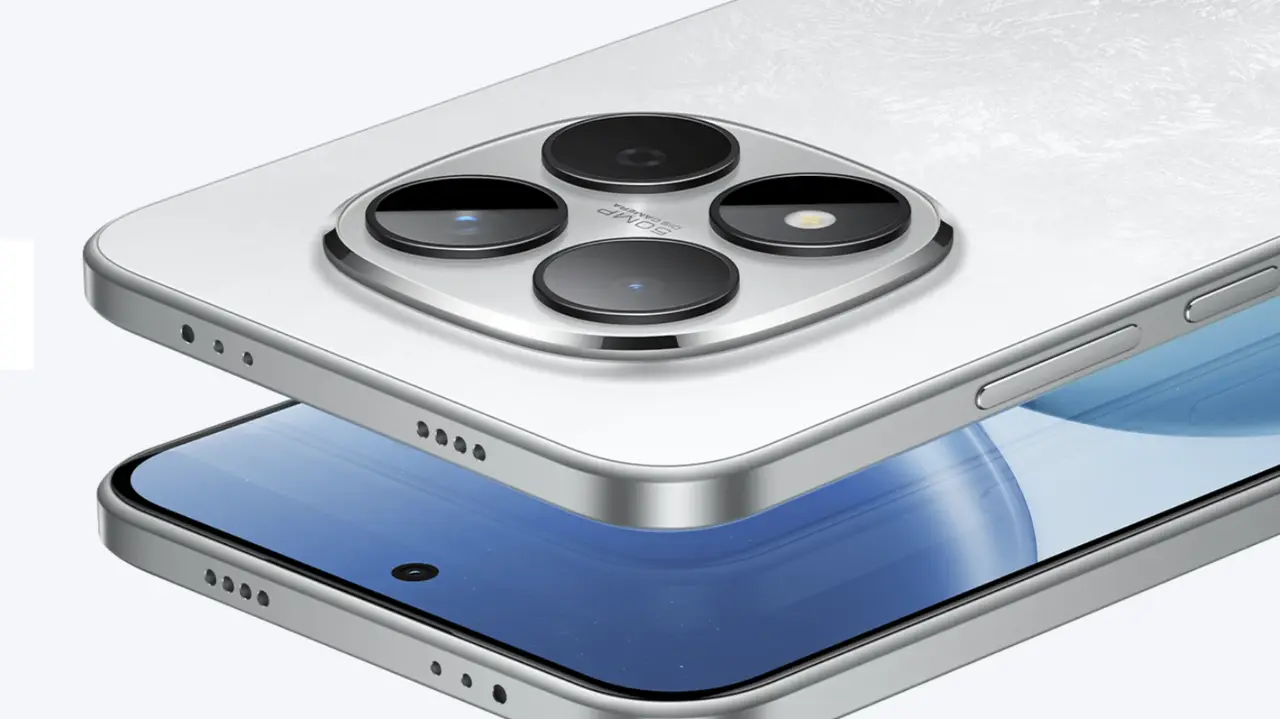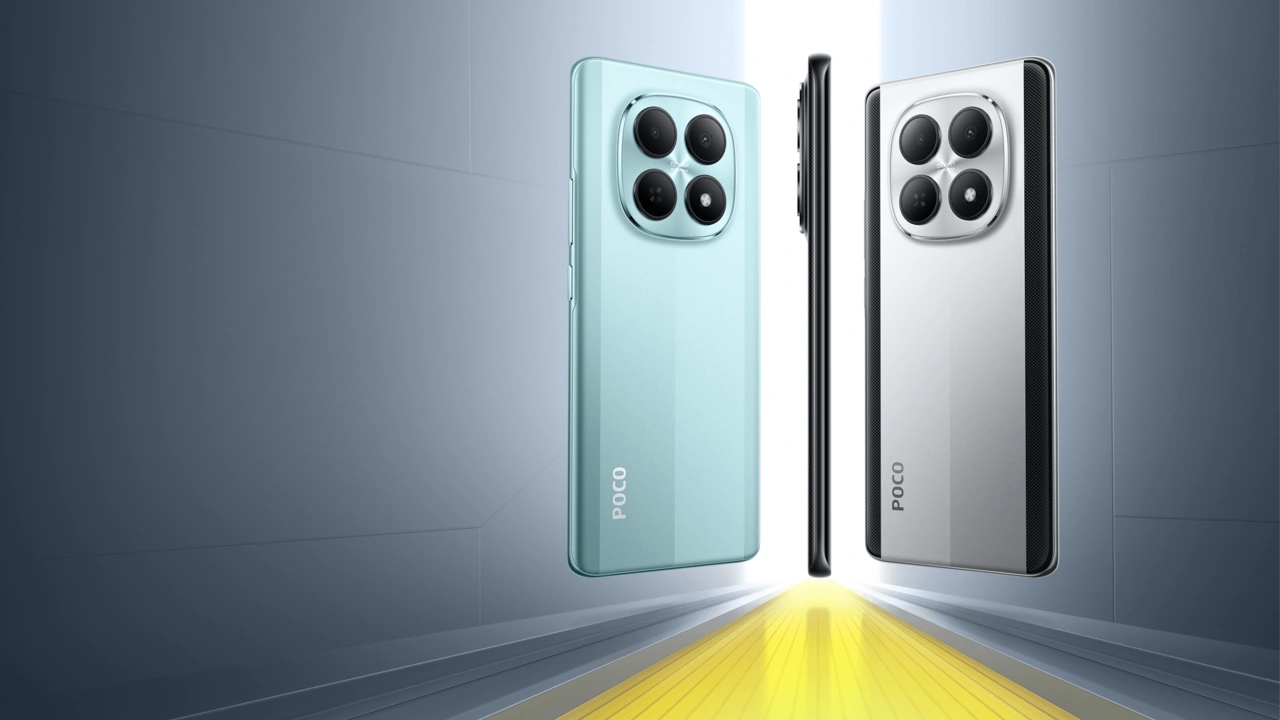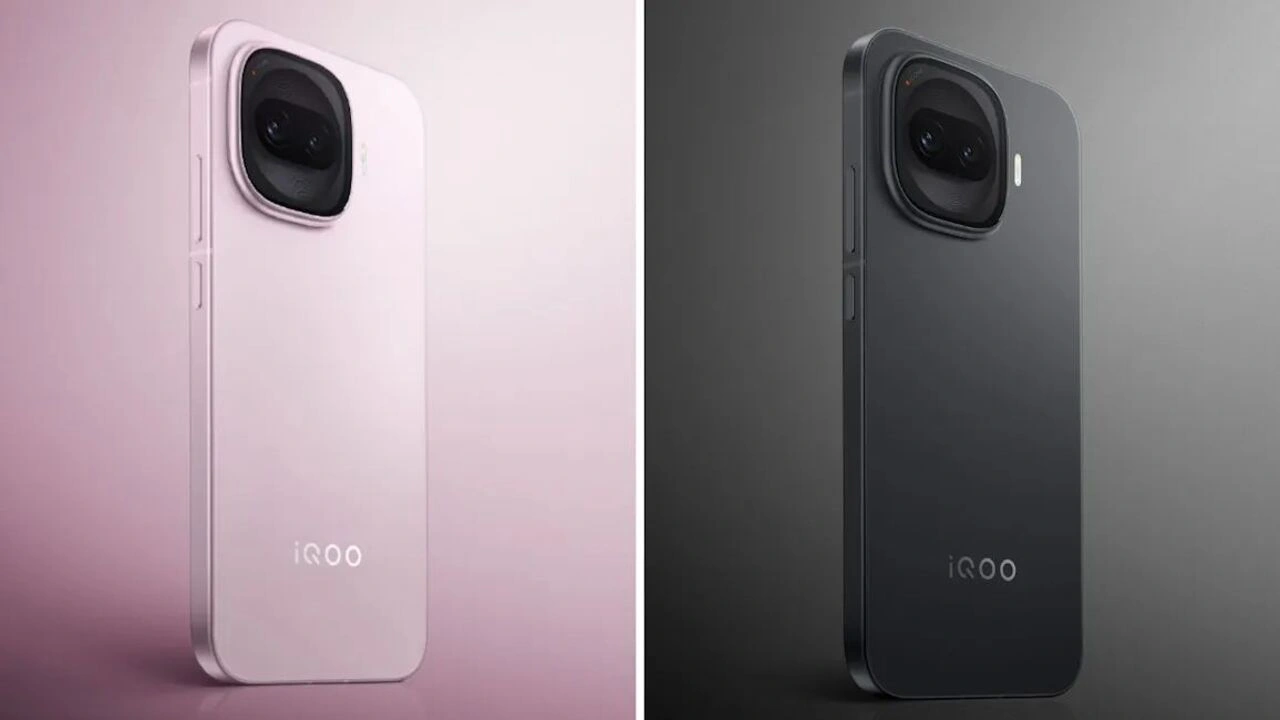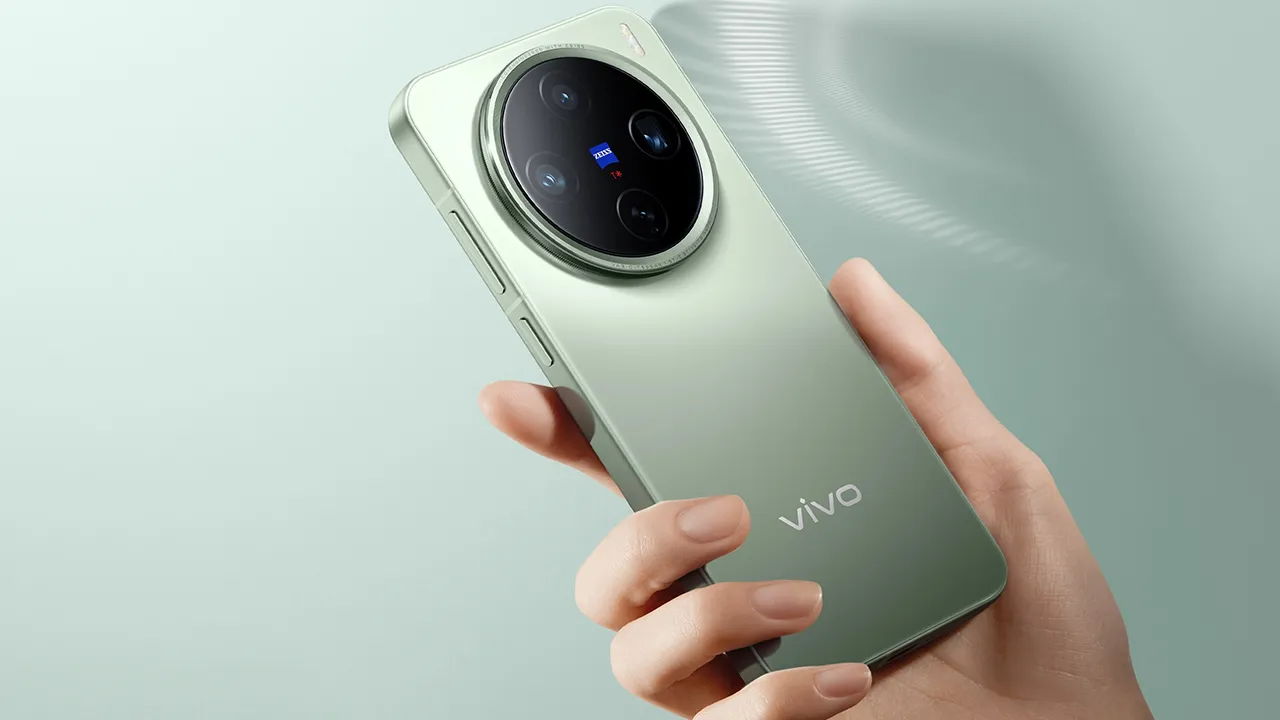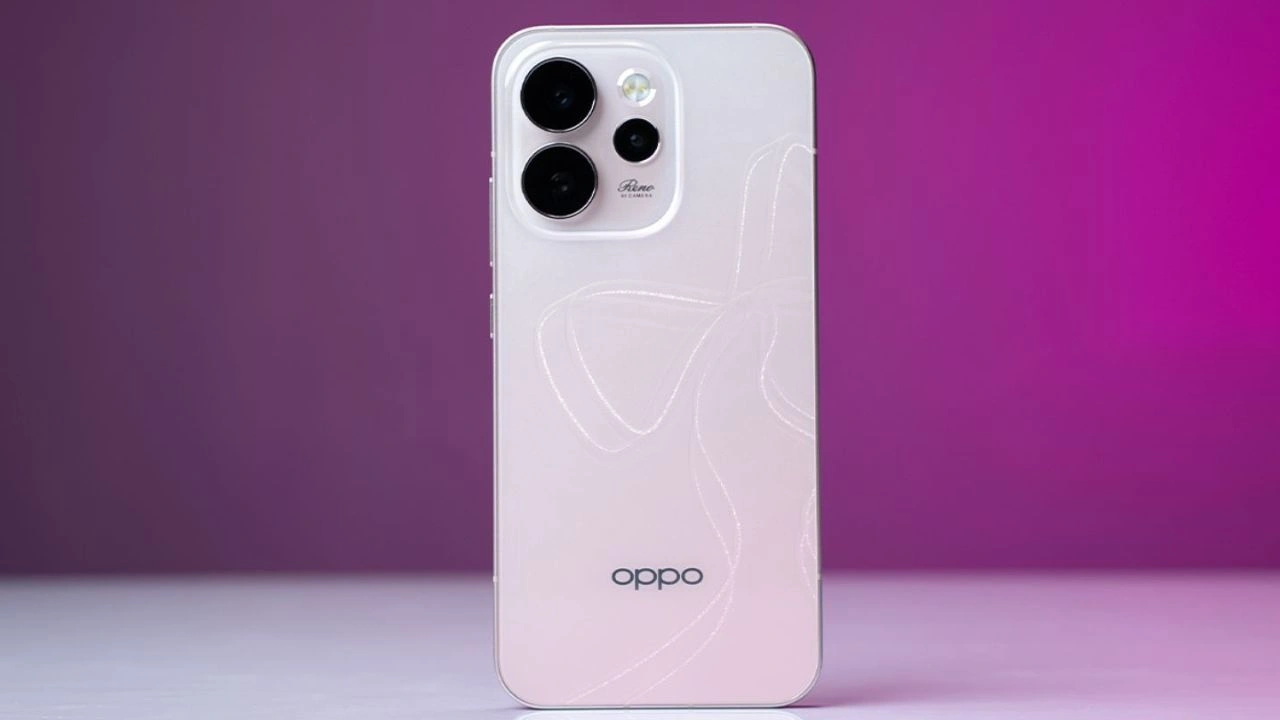
Vivo is getting ready to bring the Vivo X200T to India, and early leaks suggest it is built for people who care a lot about camera quality and smooth performance. Many are already comparing it with the Oppo Reno 15 Pro, which is available in the same premium price range. If you are planning to buy a phone under ₹70,000, this simple comparison can help you understand how these two models differ.
Price in India
According to leaks, the Vivo X200T could start at around ₹59,999 for the 12GB RAM and 256GB storage version. The Oppo Reno 15 Pro is priced higher, starting at ₹67,999 for the same memory and storage option. This means Vivo may offer a more affordable entry point for buyers who want high-end features without crossing the ₹70,000 mark.
Display Experience
The Vivo X200T is expected to come with a 6.67-inch AMOLED screen that offers a sharp 1.5K resolution. This size is comfortable for watching videos, playing games, and reading without feeling too large in the hand.
The Oppo Reno 15 Pro uses a slightly bigger 6.78-inch flat OLED LTPO display. It supports a 120Hz refresh rate, which makes scrolling and animations feel smooth. The screen can also reach up to 3,600 nits of peak brightness, making it easier to see outdoors in bright light.
Both displays are designed to look bright and clear, but Oppo’s screen may stand out for users who spend a lot of time outside or enjoy very smooth visuals.
Performance and Processor
The Vivo X200T is said to run on the powerful MediaTek Dimensity 9400+ processor. This chip is made for heavy use, such as gaming, video editing, and multitasking. It is expected to work with fast RAM and modern storage, which should help the phone feel quick and responsive.
The Oppo Reno 15 Pro comes with the Dimensity 8450 processor. This chip can handle daily tasks and most apps well, but it is not as strong as the Dimensity 9400+ when it comes to raw power.
If performance is your top priority, the Vivo X200T may have the edge.
Camera Comparison
The Oppo Reno 15 Pro focuses heavily on high-resolution photography. It uses a 200MP main camera with optical image stabilisation, supported by a 50MP telephoto lens with 3.5x zoom and a 50MP ultra-wide camera. On the front, it offers a 50MP selfie camera, which is great for clear selfies and video calls.
The Vivo X200T takes a different approach with a ZEISS-branded triple camera setup. It is expected to include a 50MP main camera with OIS, a 50MP periscope telephoto lens, and a 50MP ultra-wide camera. The front camera is rumored to be 32MP, which is lower than Oppo’s but should still be good for everyday use.
Oppo may appeal more to users who want very high-resolution photos, while Vivo could attract those who prefer balanced camera quality with trusted ZEISS tuning.
Also Read: OnePlus 13 Gets OxygenOS 16.0.3.501 Update: New Features, Download Guide, and Changes Explained
Battery and Charging
The Oppo Reno 15 Pro comes with a large 6,500mAh battery. It supports 80W wired fast charging and 50W wireless charging, making it easy to power up quickly.
The Vivo X200T is expected to have a slightly smaller 6,200mAh battery, but it may charge faster with 90W wired charging and 40W wireless charging.
Both phones are built to last through long days, but Vivo may offer quicker wired charging, while Oppo provides a bit more battery capacity.
Software and User Experience
Both phones are expected to run on Android 16. The Oppo Reno 15 Pro will use ColorOS 16, while the Vivo X200T will come with OriginOS 6. Each system has its own style and features. ColorOS is known for offering many customization options, while OriginOS focuses on a clean and smooth look.
Final Thoughts
The Vivo X200T and Oppo Reno 15 Pro both aim to attract users who want strong cameras, big batteries, and smooth displays. Vivo may win on price and raw performance, while Oppo stands out with its very high-resolution camera and bright display. Your choice will depend on what matters more to you, whether it is saving some money, getting faster performance, or enjoying a powerful camera and screen for everyday use.